
Maesa Update
How to Prepare for Your First Dental Visit
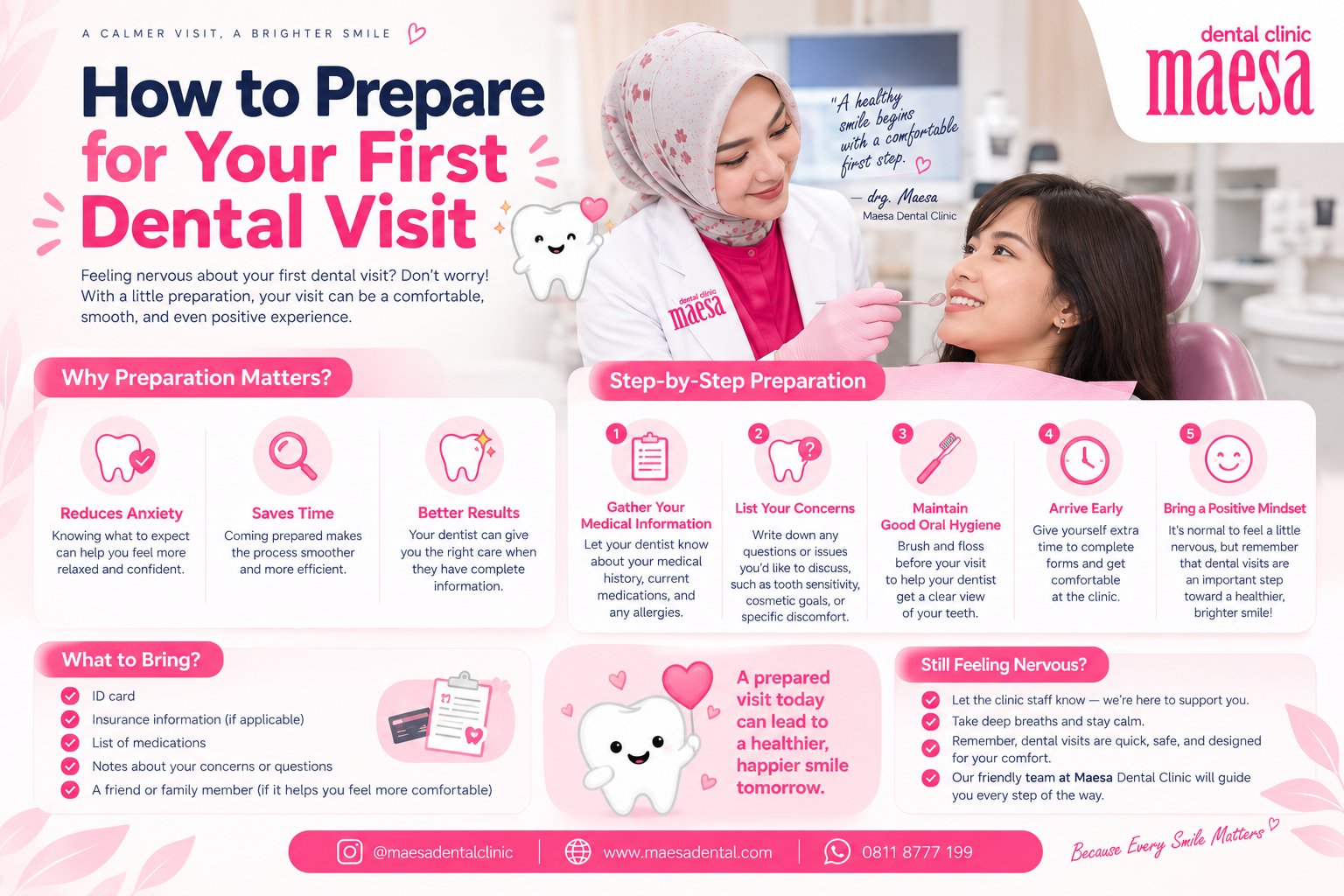
Visiting the dentist for the first time can feel unfamiliar, especially if you are unsure what to expect. You may have questions about what to bring, whether you need to prepare your teeth beforehand, or what will happen during the appointment.
The good news is that preparing for your first dental visit does not have to be complicated. A few simple steps can help you feel more comfortable and make it easier for the dental team to understand your needs.
Whether you are visiting for a routine checkup, a specific dental concern, or a second opinion, here is what you should know before your appointment.
1. Schedule an Appointment in Advance
The first step is to schedule your appointment with a dental clinic that suits your needs and location.
When booking, let the clinic know that you are a new patient. You should also explain the main reason for your visit, especially if you are experiencing symptoms such as tooth pain, gum bleeding, sensitivity, or swelling.
Sharing this information in advance can help the dental team prepare for your appointment and determine whether you may need a longer consultation or additional examination.
If you have a preferred dentist, treatment, or appointment time, mention it when making your booking.
2. Prepare Your Medical and Dental History
Your medical and dental history is important information for the dental team.
Before your appointment, try to remember or prepare details such as:
- Your previous dental treatments
- The date of your last dental visit
- Any ongoing medical conditions
- Allergies, including medication allergies
- Medications or supplements you currently take
- Previous reactions to dental treatment or anesthesia
- Any concerns you currently have about your teeth or gums
Some medical conditions and medications may influence dental treatment decisions. Therefore, providing accurate information helps the dental team plan care more safely and appropriately.
You do not need to memorize every detail. If possible, bring a list of your current medications or relevant medical records.
3. Make a List of Your Dental Concerns
It is common to forget important questions once you are sitting in the dental chair.
To avoid this, write down any concerns before your visit. For example:
- Do my teeth need professional cleaning?
- Why do my gums bleed when brushing?
- Is my tooth sensitivity normal?
- Do I have any cavities?
- What treatment options are available?
- How can I improve my oral hygiene routine?
You can also note when your symptoms started, what makes them worse, and whether they occur occasionally or regularly.
The more clearly you describe your concerns, the easier it may be for the dental team to understand what you are experiencing.
4. Brush Your Teeth Before the Appointment
You do not need to perform a special dental cleaning before visiting the dentist.
However, brushing your teeth as usual before the appointment can help you feel fresh and comfortable. If possible, brush gently with fluoride toothpaste and clean between your teeth according to your normal routine.
Avoid brushing too aggressively just before your visit, particularly if your gums are sensitive or prone to bleeding.
Remember that the purpose of a dental examination is to assess your actual oral health. You do not need to feel embarrassed if your teeth are not perfectly clean.
5. Avoid Arriving Hungry or Rushed
For a routine dental checkup, there is generally no need to fast unless the clinic or dental professional gives you specific instructions.
If you are not required to fast, having a light meal beforehand may help you feel more comfortable during your visit. However, avoid eating immediately before an appointment if it makes you feel uncomfortable.
It is also helpful to arrive a little early, especially if you need to complete registration or a new patient form.
Arriving early gives you time to settle in, provide the necessary information, and ask any questions before the examination begins.
6. Bring Relevant Documents and Information
Depending on the clinic, you may need to bring or complete several items, such as:
- Identification
- Appointment confirmation
- Insurance or payment information, if applicable
- Medical records
- Previous dental X-rays, if available
- A list of current medications
- Information about allergies or medical conditions
Not every patient will need all of these documents. It is best to confirm the requirements with the clinic before your appointment.
If you have recent dental X-rays from another provider, inform the clinic. The dental team can determine whether they are relevant or whether additional images may be needed.
7. Tell the Dental Team If You Feel Nervous
Dental anxiety is more common than many people realize. You may feel nervous because of a previous experience, fear of pain, unfamiliar equipment, or uncertainty about the treatment process.
If you feel anxious, let the dental team know before the examination begins.
You can explain:
- If you are visiting the dentist after a long time
- If you have had an unpleasant dental experience
- If you are sensitive to discomfort
- If you need the procedure to be explained step by step
- If you would feel more comfortable taking short breaks
Open communication can help the dental team understand your preferences and create a more comfortable experience.
You do not have to hide your anxiety or feel embarrassed about asking questions.
8. Know What to Expect During Your First Visit
The exact process may vary depending on the clinic and the reason for your appointment. However, a first dental visit commonly includes:
Patient Registration
You may be asked to complete a new patient form containing your personal information, medical history, and dental concerns.
Dental Consultation
The dental team may ask about your symptoms, previous dental experiences, daily oral hygiene habits, and treatment expectations.
Oral Examination
The dentist will examine your teeth, gums, and mouth to assess your oral health and identify any areas that may require further attention.
Additional Examination, If Needed
Depending on the findings, the dentist may recommend dental X-rays, photographs, or other examinations to better understand your condition.
Treatment Discussion
After the examination, the dentist may explain the findings and discuss possible treatment options. Not every patient needs treatment during the first visit, particularly if the appointment is intended for consultation or routine assessment.
9. Ask About the Treatment Plan and Costs
Before agreeing to any recommended treatment, make sure you understand what is being proposed.
You can ask questions such as:
- What is the purpose of this treatment?
- Are there alternative treatment options?
- How many visits may be required?
- What should I expect during recovery?
- What is the estimated cost?
- Is any preparation needed before treatment?
A clear discussion can help you make informed decisions and understand the next steps without feeling rushed.
10. Follow the Recommendations After Your Visit
Your first dental visit is not only about the examination itself. It is also an opportunity to learn how to maintain your oral health between appointments.
Depending on your needs, the dental team may recommend changes to your brushing technique, flossing routine, eating habits, or follow-up schedule.
Try to follow the recommendations consistently and ask for clarification if something is unclear.
Regular home care, combined with professional dental visits, can support healthier teeth and gums over time.
Make Your First Dental Visit More Comfortable
Preparing for your first dental visit can be as simple as scheduling an appointment, preparing your medical history, writing down your questions, and communicating your concerns honestly.
You do not need to have perfect teeth before visiting the dentist. Dental professionals are there to help you understand your oral health and identify the care that may be appropriate for your needs.
If you are ready to schedule your first dental visit, you can visit Maesa Dental Clinic and consult with our professional dental team.
For more dental health tips and educational content, follow Maesa Dental on Instagram at @maesadental.
References
American Dental Association. Medical/Dental Health History. Available at: https://www.ada.org/resources/practice/practice-management/medical-dental-health-history
American Dental Association. Meeting the Doctor. Available at: https://www.ada.org/resources/practice/practice-management/meeting-the-doctor
American Dental Association. Seeing the Dentist. MouthHealthy. Available at: https://www.mouthhealthy.org/dental-care/seeing-the-dentist
American Dental Association. Home Oral Care. Available at: https://www.ada.org/resources/ada-library/oral-health-topics/home-care
Tersambung lebih dari
sekadar janji temu.
Smile Connect dan Mae Care Program adalah layanan pendampingan kesehatan gigi yang personal, hangat, dan profesional.Temui kami di hari terbaik untuk senyummu
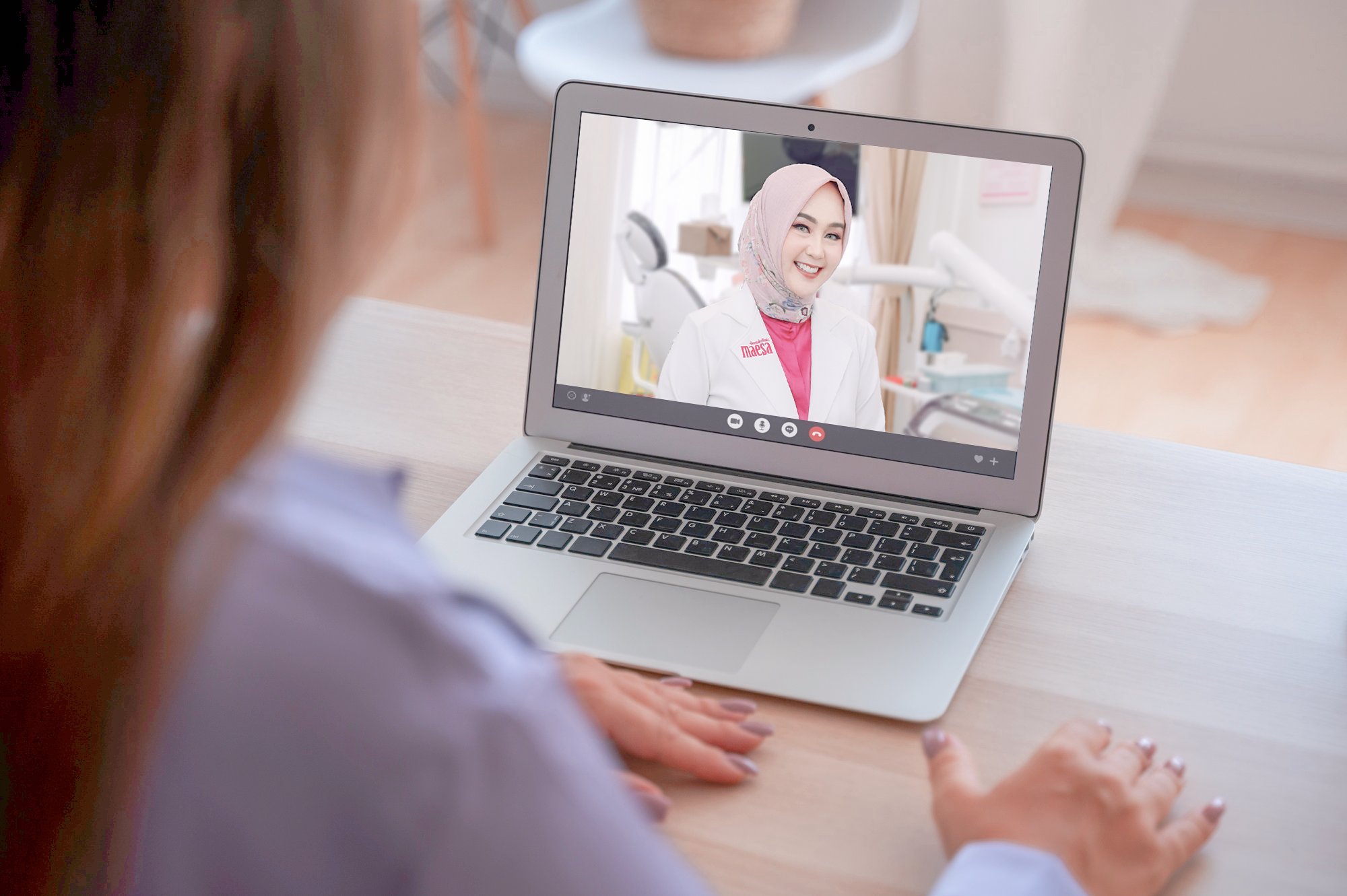
Smile Connect
Our expert strives to make each interaction with patients clear, concise, and inviting. Support the important work of Maesa Dental by making a much-needed donation today.
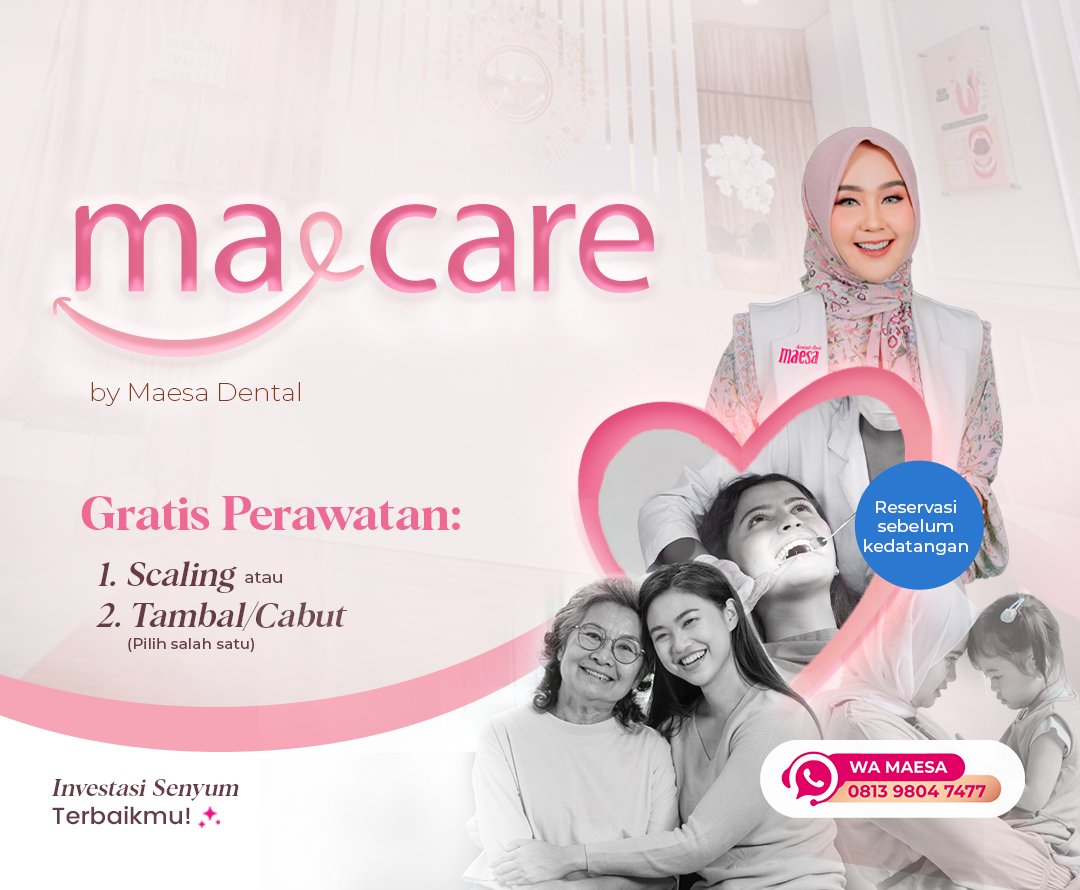
Mae Care
Our expert strives to make each interaction with patients clear, concise, and inviting. Support the important work of Maesa Dental by making a much-needed donation today.
Satiesfied Patients
Kami bangga bisa menjadi bagian dari setiap senyuman sehat yang kamu miliki. Yuk intip cerita dari para pasien Maesa Dental Klinik yang puas dengan layanan kami!

Mario Irwinsyah
Satisfied Patient
"Saya seneng banget perawatan di Maesa Dental Clinic, dokternya ramah, baik, dan yang paling penting...

Moh. Rano Alfath
Satisfied Patient
"Saya operasi gigi bungsu, tindakannya cepat dan tidak sakit sama sekali. Dokternya sangat professional, tempat...

Astrid Wiriadidjaja
Satisfied Patient
"Hasil direct veneer aku sangat memuaskan, Dokternya ramah dan professional, tempatnya juga nyaman banget."

Anya Anjani
Satisfied Patient
"Tempatnya nyaman banget dan bikin betah aslii, hasil perawatannya juga bagus banget aku sukaa, dokternya...

Reynal Abipraya
Satisfied Patient
"Super nyaman dan bersih, dokter & perawatnya juga professional sekali, gak nyesel perawatan di Maesa...
Insurance Partners
Karena kesehatan dan keamanan Anda adalah prioritas kami, kami hadir bersama mitra asuransi terbaik untuk menjaga setiap langkah Anda.














Ghea Youbi
Satisfied Patient"Aku habis perawatan Bleaching, memuaskan bangettt... hasilnya putih banget dan natural, setelah 3 hari jadi...